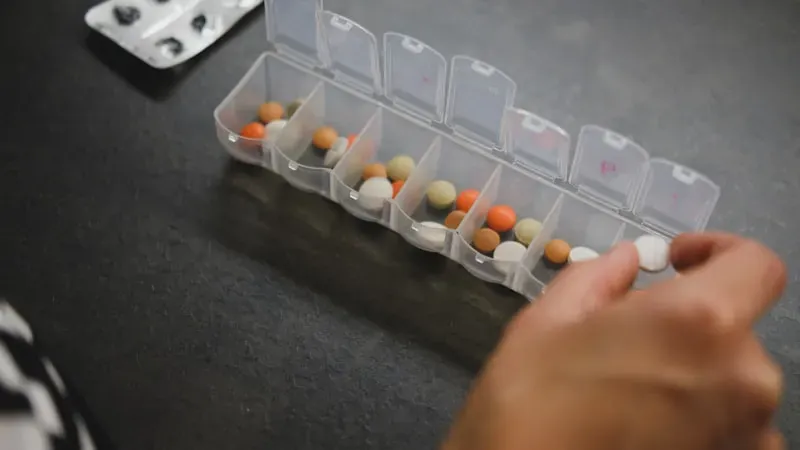
Managing Diabetic Patients Between Office Visits with RPM
The standard model for managing diabetic patients in primary care is built around quarterly office visits. The patient comes in, you review labs, adjust medications if needed, reinforce lifestyle guidance, and schedule the next visit in 90 days. Between those visits, you have almost no visibility into what is happening with the patient’s glucose, blood pressure, or adherence.
That 90-day gap is where complications develop. A patient whose glucose has been running above 250 for six weeks does not need to wait another month for their scheduled appointment. A patient who stopped taking their metformin due to GI side effects should not suffer through 10 weeks of uncontrolled glucose before mentioning it at their next visit.
Remote patient monitoring fills this gap with daily data. But data alone is not a care model. This guide lays out how to build a structured system for managing diabetic patients between visits, including what to watch for, when to escalate, how to coordinate your care team, and how to keep patients engaged over time.
The Problem with Quarterly Touchpoints
To understand why between-visit management matters, consider what happens in a typical 90-day cycle for a diabetic patient with suboptimal control.
| Week | What the Patient Experiences | What the Practice Sees |
|---|---|---|
| 1–2 | Takes new medication as prescribed, glucose improves | Nothing; no data until next visit |
| 3–4 | Experiences side effects, reduces medication dose on their own | Nothing |
| 5–8 | Glucose climbs back up, patient adjusts diet sporadically | Nothing |
| 9–10 | Feels discouraged, stops checking glucose at home | Nothing |
| 11–12 | Comes to office visit with A1C of 9.2%, unchanged from last visit | Sees the A1C result and starts the cycle over |
This pattern plays out across millions of diabetic patients every year. The clinician did everything right at the visit. The patient intended to follow through. But without any feedback loop between visits, problems went undetected and uncorrected for months.
RPM compresses the feedback cycle from 90 days to 24–48 hours. When a patient’s fasting glucose spikes above 200 for three consecutive days, your clinical team sees it that week, not three months later.
Clinical Reality: The gap between office visits is not empty time for diabetic patients. It is the time when medication side effects appear, adherence breaks down, dietary changes are abandoned, and complications quietly progress. RPM makes this invisible time visible.
Early Warning Signs in Daily RPM Data
Not every out-of-range reading is clinically significant. Your team needs to distinguish between noise (a single post-holiday spike) and signal (a sustained pattern indicating a problem). Here are the early warning signs that should trigger clinical attention.
Glucose Warning Signs
| Warning Sign | Pattern in Data | Possible Cause | Urgency |
|---|---|---|---|
| Rising fasting glucose trend | Fasting readings increasing by >10 mg/dL per week over 2+ weeks | Medication non-adherence, waning medication efficacy, weight gain, illness | Medium: review within 48 hours |
| New post-meal spikes | Post-meal readings consistently >200 mg/dL when previously controlled | Dietary change, medication timing, stress | Medium: coaching call within 72 hours |
| Recurrent hypoglycemia | 3+ readings <70 mg/dL in 7 days | Over-medication, missed meals, increased activity, alcohol use | High: same-day review |
| Sudden loss of glucose control | 7-day average increases by >50 mg/dL compared to prior 2 weeks | Acute illness, new medication (steroids, etc.), major stressor | High: clinical contact within 24 hours |
| Data gap | No readings transmitted for 3+ consecutive days | Device issue, patient disengagement, hospitalization | Medium: outreach within 48 hours |
Blood Pressure Warning Signs (for Dual-Monitoring Programs)
| Warning Sign | Pattern in Data | Possible Cause | Urgency |
|---|---|---|---|
| Sustained systolic >150 | Average systolic >150 over 7 days | Medication non-adherence, dietary sodium, stress, worsening CKD | Medium: provider review within 72 hours |
| Morning BP surge | Systolic >160 within 1 hour of waking on 5+ of 7 days | Uncontrolled nocturnal hypertension, sleep apnea | Medium: provider review |
| New diastolic elevation >100 | Previously normal diastolic now consistently >100 | Secondary cause, medication change, renal deterioration | High: provider review within 48 hours |
| Orthostatic pattern | Significant BP drop from morning to afternoon readings | Autonomic neuropathy, over-medication, dehydration | High: clinical review within 48 hours |
Weight Warning Signs (If Tracking)
Rapid weight gain (>3 lbs in 48 hours or >5 lbs in a week) in a diabetic patient with comorbid heart failure or CKD is a red flag for fluid retention and warrants immediate clinical contact.
Clinical Escalation Protocols
Identifying warning signs is only useful if your team has a clear protocol for what to do next. Ambiguity in escalation pathways leads to delayed responses, inconsistent care, and missed billing opportunities.
Three-Tier Escalation Model
Tier 1: Clinical Staff (MA, RN, LPN)
These are initial outreach actions that do not require a provider order:
- Contact patient to verify data accuracy (e.g., confirm the patient is using the device correctly)
- Assess for obvious causes (illness, dietary changes, missed medications, device malfunction)
- Provide standard education and reinforcement
- Document the interaction and findings
- Escalate to Tier 2 if the issue is clinical rather than technical or behavioral
Tier 2: Clinical Lead (RN, CDE, Clinical Pharmacist)
These actions require clinical judgment but may be performed under standing orders or collaborative practice agreements:
- Review medication list and identify potential adjustments
- Execute titration protocols for basal insulin or oral medications under standing orders
- Coordinate with the patient on medication changes (dosing, timing, side effect management)
- Schedule a telehealth visit with the provider if the issue exceeds standing order scope
- Document clinical reasoning and actions taken
Tier 3: Provider (MD, DO, NP, PA)
These actions require direct provider involvement:
- Complex medication changes (adding a new drug class, discontinuing a medication)
- Evaluation for acute complications (DKA risk, hypertensive emergency)
- Orders for urgent lab work (BMP, renal function, A1C if indicated)
- Decision to bring the patient in for an unscheduled office visit
- Referral to endocrinology or other specialists
Workflow Tip: Map each warning sign from the tables above to a specific escalation tier. Print the mapping and post it at your RPM review station. When a clinical staff member sees a warning sign, they should not have to decide who to call; the protocol tells them.
Response Time Standards
| Urgency Level | Response Time | Example Triggers |
|---|---|---|
| Routine | Within 5 business days | Mild upward trend, patient education needs |
| Medium | Within 48 hours | Sustained fasting hyperglycemia, data gaps, moderate BP elevation |
| High | Within 24 hours | Recurrent hypoglycemia, sudden loss of control, significant BP elevation |
| Urgent | Within 2 hours | Severe hypoglycemia (<54), hypertensive urgency (>180/110), suspected DKA symptoms |
Document your response times. If an audit or payer review ever questions the clinical value of your RPM program, having documented response time standards and evidence that you met them is powerful.
Care Team Coordination
Effective between-visit management requires clear roles. Ambiguity about who reviews data, who calls the patient, and who makes medication decisions leads to either duplication of effort or gaps in care.
Role Definitions for RPM
| Role | Responsibilities | Typical Time Per Patient Per Month |
|---|---|---|
| Medical Assistant / Care Coordinator | Monitor transmission compliance, flag data gaps, initial patient outreach for technical issues | 5–10 minutes |
| Clinical Staff (RN, LPN) | Review clinical data, identify warning signs, perform Tier 1 outreach, document findings | 15–25 minutes |
| Clinical Lead (RN, CDE, PharmD) | Perform Tier 2 interventions, execute titration protocols, complex coaching | 10–20 minutes (for flagged patients only) |
| Provider (MD, DO, NP, PA) | Tier 3 decisions, complex medication changes, unscheduled visits | 5–15 minutes (for escalated patients only) |
Communication Pathways
Define how RPM findings flow between team members:
- Daily: Care coordinator reviews transmission dashboard, flags patients with data gaps or device issues
- Weekly: Clinical staff batch-reviews all active RPM patients, identifies warning sign patterns, performs outreach on flagged patients, and documents clinical time for billing
- As needed: Clinical lead and provider receive escalations through your EHR task system or a designated communication channel, not through hallway conversations or sticky notes
- Monthly: Brief team huddle to review program metrics (engagement rates, intervention counts, A1C trends) and discuss challenging patients
Handoff Documentation
When escalating a patient between tiers, the handoff note should include:
- The specific warning sign or pattern identified
- The date range and data points that triggered the escalation
- Any outreach already performed and the patient’s response
- The specific question or decision needed from the next tier
Example: “Patient J.S., fasting glucose has increased from avg 135 to avg 172 over past 2 weeks (see RPM trend 9/5–9/19). Called patient on 9/16, reports no medication changes, denies illness, diet unchanged. Suspects stress from work situation. Requesting Tier 2 review for possible metformin dose increase (currently on 1000mg BID, max not reached).”
Patient Engagement Strategies
The most clinically sophisticated RPM program fails if patients stop using their devices after the first month. Engagement is not a one-time problem solved at enrollment; it requires ongoing attention.
The Engagement Curve
Patient engagement in RPM follows a predictable pattern:
| Time Period | Typical Engagement Level | Key Risk |
|---|---|---|
| Week 1–2 | High (85–95% daily compliance) | Device usability issues cause early dropout |
| Week 3–4 | Moderate-high (75–85%) | Novelty wears off, routine not yet formed |
| Month 2–3 | Moderate (65–80%) | Patients who do not see benefit start to disengage |
| Month 4–6 | Stabilized (60–75%) | Engaged patients settle into routine; disengaged patients stop entirely |
| Month 7–12 | Variable (55–80%) | Long-term engagement depends on perceived value and clinical interaction |
Strategies by Phase
Weeks 1–2: Intensive Onboarding
- Call every new RPM patient on day 2 to confirm their device is working and their first readings have transmitted
- Address any technical issues immediately; do not let a pairing problem fester for a week
- Set clear expectations: “We will review your readings every week and call you if we see anything concerning”
Weeks 3–4: Habit Formation
- Acknowledge the patient’s efforts: “I see you have been checking every morning, and that is exactly what we need”
- Share a simple insight from their data: “Your morning readings are averaging 145, which is close to our target of 130. Let us talk about one thing that might help close that gap.”
- This is the most critical window: patients who make it through week 4 with consistent compliance are 3x more likely to remain engaged at 6 months
Months 2–3: Demonstrate Value
- Connect RPM data to clinical action: “Based on what we saw in your readings, Dr. Smith adjusted your medication. Let us see how it works over the next two weeks.”
- If a patient’s readings have improved, tell them explicitly: “Your average glucose has dropped from 185 to 152 over the past month. What you are doing is working.”
- For patients who are slipping, call before they disappear entirely. A 3-day data gap is a signal to reach out.
Months 4+: Sustained Engagement
- Reduce contact frequency for stable patients to avoid “monitoring fatigue”
- Increase contact for patients with new clinical challenges
- Periodically share progress: “Since you started RPM 6 months ago, your A1C has gone from 8.9 to 7.8. That is meaningful.”
Patient Engagement Insight: The single strongest predictor of long-term RPM engagement is whether the patient believes someone is actually looking at their data. Patients who receive proactive outreach (even a brief call that says “Your readings look good this week”) stay engaged at dramatically higher rates than patients who only hear from the practice when something is wrong.
Connecting Between-Visit Management to Office Visits
RPM does not replace office visits; it makes them more productive. When a diabetic patient comes in for their quarterly visit and you have 90 days of RPM data, the conversation changes fundamentally.
Instead of: “Your A1C is 8.4. We need to do better. Let us increase your metformin.”
You can say: “Your A1C is 8.4, but looking at your daily data, I can see it is primarily driven by your post-dinner readings, which average 210. Your mornings and lunchtimes are well controlled. Let us focus on what happens between dinner and bedtime.”
This specificity improves clinical decision-making and builds patient trust. The patient feels understood, not lectured.
Pre-Visit Preparation Using RPM Data
Before each office visit, prepare a brief RPM summary that includes:
- Average glucose (fasting and overall) for the past 30, 60, and 90 days
- Trend direction (improving, stable, worsening)
- Key warning signs identified and interventions performed between visits
- Patient engagement level (transmission compliance percentage)
- Recommended focus areas for the visit based on RPM data patterns
This summary saves time during the visit and ensures the conversation focuses on the most impactful issues.
Making It Sustainable
Between-visit management through RPM is only sustainable if the workload is manageable for your team. The practices that burn out on RPM are the ones that try to review every reading for every patient every day. The practices that succeed build tiered systems where technology handles the routine and humans handle the exceptions.
If you are looking to automate the operational side of between-visit management (transmission tracking, billing compliance, and data gap alerts) so your clinical team spends less time chasing transmission gaps and more time acting on the data, Zayd Health is built specifically for primary care practices running diabetes RPM programs.
What Matters Most
- The 90-day gap between office visits is where diabetic complications develop and adherence breaks down. RPM makes this invisible time visible
- Define specific warning signs in daily data and map each one to an escalation tier with response time standards
- Assign clear RPM roles across your care team; ambiguity causes both gaps and duplication
- Patient engagement follows a predictable curve; invest heavily in weeks 1–4 and proactively reach out before patients disengage
- Use RPM data to transform office visits from reactive lab reviews into targeted, data-driven conversations
Zayd Health automates RPM documentation and superbill generation.
Transmission tracking, time logging, and audit-ready billing. So your team can focus on patient care.
Don't miss the next one.
One email when we publish. RPM billing changes, compliance strategies, and what's actually working in the field.