Blood Pressure Monitoring for Diabetic Patients in RPM Programs
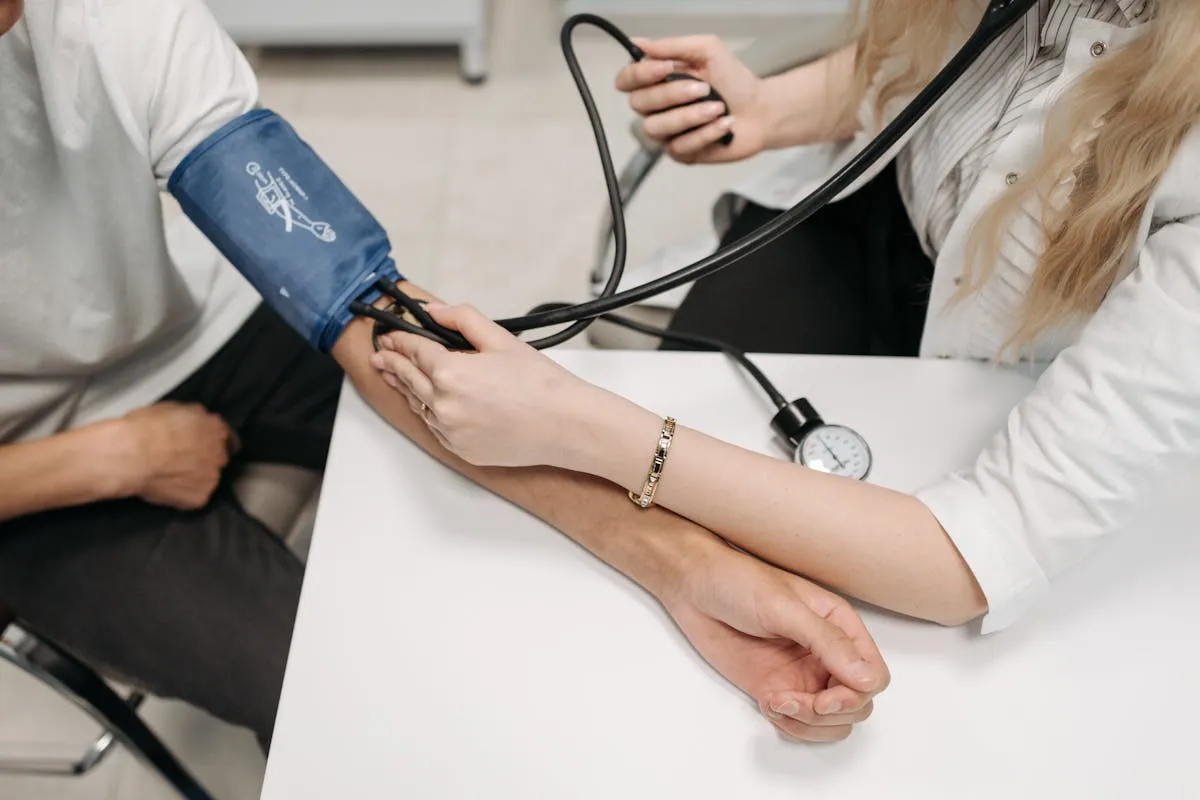
Diabetes and hypertension are two of the most tightly linked chronic conditions in primary care. Roughly 75% of adults with Type 2 diabetes also have hypertension, and the combination dramatically accelerates cardiovascular disease, chronic kidney disease, and retinopathy. For primary care practices running RPM programs focused on diabetic patients, adding blood pressure monitoring is not optional; it is clinically essential and financially smart.
This guide covers the clinical rationale, device selection, target ranges, action thresholds, and documentation requirements for integrating blood pressure monitoring into your diabetes RPM program.
Why Blood Pressure Matters More for Diabetic Patients
The relationship between diabetes and hypertension is bidirectional. Insulin resistance promotes sodium retention and sympathetic nervous system activation, both of which raise blood pressure. Elevated blood pressure, in turn, accelerates diabetic nephropathy and retinopathy through microvascular damage.
The clinical stakes are significant:
- Diabetic patients with uncontrolled hypertension have a 2–3x higher risk of cardiovascular events compared to diabetic patients with controlled BP
- Every 10 mmHg reduction in systolic BP in diabetic patients reduces cardiovascular mortality by approximately 13%
- The UKPDS trial demonstrated that tight BP control reduced diabetes-related deaths by 32% and stroke by 44%
- Diabetic kidney disease progression is directly correlated with sustained systolic BP above 130 mmHg
Comorbidity Rates in Your Patient Panel
If your practice manages a panel of 200 diabetic patients, the numbers likely look something like this:
| Comorbidity | Estimated Prevalence | Estimated Patients (of 200) |
|---|---|---|
| Hypertension | 70–80% | 140–160 |
| Dyslipidemia | 65–75% | 130–150 |
| Obesity (BMI >30) | 55–65% | 110–130 |
| Chronic kidney disease (Stage 1–3) | 25–40% | 50–80 |
| Coronary artery disease | 15–25% | 30–50 |
| Heart failure | 10–15% | 20–30 |
The majority of your diabetic RPM patients already need blood pressure management. RPM gives you the data to manage it proactively rather than reactively at quarterly visits.
Practice Insight: When enrolling diabetic patients in RPM, always assess their BP status. Patients with both diabetes and uncontrolled hypertension are your highest-value RPM candidates: they benefit most clinically and generate the strongest outcomes data for your program.
Device Selection for Blood Pressure RPM
Choosing the right blood pressure monitor for RPM is less about clinical accuracy (most validated devices are comparable) and more about data transmission reliability and patient usability.
Key Selection Criteria
Your BP monitor must meet these requirements for RPM:
- Validated accuracy. Look for devices validated against AAMI/ESH/ISO protocols. The STRIDE BP website maintains an independent list of validated monitors.
- Automatic data transmission. The device must transmit readings electronically without manual patient entry. Bluetooth-to-app or cellular-enabled devices meet this requirement.
- Appropriate cuff sizing. Many RPM BP monitors ship with a standard cuff (22–36 cm). For obese diabetic patients, you will need large or extra-large cuffs (up to 52 cm). Stock multiple sizes.
- Ease of use. Your patients will use this device daily without clinical supervision. One-button operation and clear displays matter.
Device Comparison
| Feature | Bluetooth + App Devices | Cellular-Enabled Devices |
|---|---|---|
| Setup complexity | Moderate (app install, pairing) | Low (plug in, press button) |
| Patient tech requirement | Smartphone with Bluetooth | None |
| Data reliability | Depends on app/phone status | High (built-in cellular) |
| Cost per device | $40–$80 | $80–$150 |
| Best for | Tech-comfortable patients | Older patients, low tech literacy |
| Common failure point | Bluetooth pairing issues | Cellular coverage in rural areas |
For most primary care RPM programs serving diabetic patients, offering both options and matching the device to the patient is the right approach. A 45-year-old with a smartphone gets a Bluetooth device. A 72-year-old who does not use apps gets a cellular-enabled monitor.
Cuff Fit and Measurement Accuracy
Cuff fit is the single largest source of blood pressure measurement error in home monitoring. An undersized cuff will consistently overestimate blood pressure, potentially leading to unnecessary medication intensification. An oversized cuff will underestimate it.
Measure the patient’s arm circumference at enrollment and assign the correct cuff. Document the cuff size in their chart.
| Arm Circumference | Cuff Size |
|---|---|
| 22–26 cm | Small adult |
| 27–34 cm | Standard adult |
| 35–44 cm | Large adult |
| 45–52 cm | Extra-large / thigh cuff |
Target Ranges and Clinical Action Thresholds
Blood pressure targets for diabetic patients have shifted over the past decade. The current evidence supports a more nuanced approach than a single universal target.
Recommended Targets
The ADA Standards of Care (2025) recommend:
- General target: <130/80 mmHg for most diabetic patients
- Elderly patients (>65): <140/90 mmHg may be appropriate, individualized to fall risk and comorbidities
- Patients with CKD and albuminuria: <130/80 mmHg, with preference for ACE inhibitors or ARBs
- Pregnant patients with diabetes: <140/90 mmHg (varies by guideline)
RPM Action Thresholds
For your RPM clinical team, translate these targets into specific action thresholds that trigger outreach or intervention.
| Reading Category | Systolic (mmHg) | Diastolic (mmHg) | Action |
|---|---|---|---|
| At target | <130 | <80 | Continue monitoring |
| Mildly elevated | 130–139 | 80–89 | Review trend over 7 days; lifestyle counseling |
| Moderately elevated | 140–159 | 90–99 | Provider review within 48 hours; consider med adjustment |
| Significantly elevated | 160–179 | 100–109 | Same-day provider review; medication change likely |
| Hypertensive urgency | >=180 | >=110 | Immediate clinical contact; assess symptoms |
| Hypotension | <90 | <60 | Clinical review; assess symptoms, medication review |
Clinical Tip: A single elevated reading does not warrant medication changes. Require at least 3 elevated readings over a 7-day period before escalating. Teach patients to rest for 5 minutes before measuring, sit with feet flat and arm supported, and avoid caffeine or exercise for 30 minutes prior. These instructions should be part of your 99453 patient education.
White Coat Effect vs. Masked Hypertension
One of the most valuable aspects of home BP monitoring through RPM is identifying discrepancies between office and home readings.
- White coat hypertension: Office readings are elevated, but home RPM readings are consistently normal. Prevalence in diabetic patients is approximately 15–20%. These patients may be overtreated if you rely only on office measurements.
- Masked hypertension: Office readings are normal, but home RPM readings show sustained elevation. Prevalence in diabetic patients is approximately 10–15%. These patients are undertreated and at elevated cardiovascular risk.
RPM blood pressure data resolves both of these diagnostic blind spots. Document the pattern when you identify it; it supports the clinical value of the RPM program and justifies ongoing monitoring.
Documentation Requirements for Billing
Blood pressure RPM documentation must satisfy the same CPT code requirements as any other RPM device. But the clinical notes benefit from disease-specific context.
99453. Initial Setup
Document the following during the setup visit:
- Device provided (manufacturer, model)
- Cuff size selected and arm circumference measured
- Patient education on proper measurement technique (positioning, rest period, timing)
- Measurement schedule established (e.g., twice daily, morning and evening)
- Target range communicated to patient
- Data transmission confirmed (first reading received in RPM platform)
99454. Monthly Device Supply and Transmission
This code requires data transmission on at least 16 of 30 days. For blood pressure, this means:
- The patient must take and transmit at least one reading on 16 or more days
- Twice-daily readings are preferred clinically but not required for billing
- Document the number of transmission days in your monthly billing notes
99457 / 99458. Clinical Staff Time
Your clinical notes for the monthly review should include:
- Date range of BP data reviewed
- Average readings for the period (systolic and diastolic)
- Trend direction (improving, stable, worsening)
- Comparison to target range
- Any readings that triggered clinical concern
- Actions taken (medication change, patient call, provider escalation, education)
- Total time spent
Example documentation:
“Reviewed 28 days of home BP data (10/1–10/28). Average reading: 138/84. Seven readings above 140/90, primarily in morning measurements. Trend shows gradual increase over past 2 weeks. Called patient to discuss; patient reports increased sodium intake due to travel. Reinforced dietary guidance. Will reassess in 1 week. If trend continues, recommend provider review for amlodipine dose adjustment. Time: 24 minutes (RPM review 12 min, patient call 12 min).”
This level of specificity supports billing, demonstrates clinical value, and creates a defensible audit trail.
Integrating BP and Glucose Data
The real power of RPM for diabetic patients emerges when you analyze blood pressure and glucose data together. Patterns that are invisible when these data streams are siloed become clear when combined.
Clinical Correlations to Watch For
- Morning BP surge + fasting hyperglycemia: May indicate uncontrolled dawn phenomenon and sympathetic activation. Consider bedtime medication timing adjustments for both conditions.
- Post-meal BP drop + post-meal glucose spike: Common in patients with autonomic neuropathy. May need meal-based medication timing review.
- Rising BP trend + stable glucose: Could indicate medication non-adherence (patients often deprioritize BP meds over diabetes meds), worsening kidney function, or new stressor.
- Improving glucose + persistent hypertension: The BP may need independent attention. Do not assume improving glycemic control will resolve hypertension; it often does not.
Documentation Tip: When you identify a correlation between BP and glucose trends, document it explicitly. Notes like “BP elevation correlates temporally with post-prandial glucose spikes, suggesting shared meal-related trigger” demonstrate the kind of integrated clinical analysis that justifies RPM program value.
Scaling BP Monitoring Across Your Diabetic Panel
For practices with large diabetic panels, manually reviewing individual BP readings for every patient is unsustainable. You need a system that surfaces the patients who need attention and lets the rest flow through with minimal staff time.
Tiered Review Model
- Tier 1. Automated pass-through: Patients with all readings in target range for the month. Generate a summary note, no clinical action needed. Staff time: 2–3 minutes per patient.
- Tier 2. Trend review: Patients with occasional elevations but overall improving or stable trend. Brief review and documentation. Staff time: 8–10 minutes per patient.
- Tier 3. Active management: Patients with sustained elevations, new pattern changes, or recent medication adjustments. Full review, patient contact, possible provider escalation. Staff time: 15–25 minutes per patient.
This tiered approach lets a single clinical staff member manage 80–100 RPM patients efficiently, spending the most time where it matters most.
Zayd Health automates the 16-day transmission tracking, tiered alert routing, and billing documentation for BP and glucose RPM programs, so your clinical staff spend their time on patient calls instead of spreadsheets.
What to Remember
- 75% of your diabetic patients likely have comorbid hypertension. BP monitoring should be standard in diabetes RPM programs
- Match the device to the patient: Bluetooth for tech-comfortable patients, cellular-enabled for those who are not
- Measure arm circumference and assign the correct cuff size at enrollment
- Use a tiered review model to scale BP monitoring across your panel efficiently
- Document BP and glucose correlations to demonstrate integrated clinical value
- Require at least 3 elevated readings over 7 days before escalating; do not react to single readings
Zayd Health automates RPM documentation and superbill generation.
Transmission tracking, time logging, and audit-ready billing. So your team can focus on patient care.
Don't miss the next one.
One email when we publish. RPM billing changes, compliance strategies, and what's actually working in the field.